Rekey or change the locks? If you just bought a house, a tenant moved out, a staff member left with a key or you lost your keyring, this is the first decision. Both options stop old keys from working. The difference is whether you keep the lock you have or put in a new one, and that changes the cost, the time and the security you end up with.
Here is how our Toronto locksmiths explain it to customers every day, and how to pick the right option for your home or business.
What rekeying means
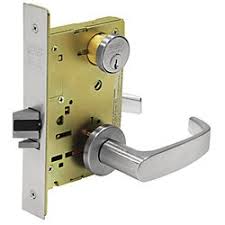
Rekeying changes the inside of the lock cylinder, not the lock. A locksmith removes the cylinder, takes out the small pins that match the old key and sets new pins to match a new key. The lock body, handle and deadbolt stay where they are. Old keys stop working immediately.
When rekeying is the right choice
- You moved into a home or condo and do not know who has copies of the keys
- A tenant, contractor, cleaner or employee had a key and no longer should
- You lost keys but the locks themselves are in good shape
- You want one key to open several doors in the same home
What changing the locks means
Changing locks means removing the lock or deadbolt and installing a new one. You get new keys, and you can also upgrade the hardware: a stronger deadbolt, a higher security cylinder, a smart lock or commercial grade hardware.
When changing the locks is the right choice
- The lock is worn, sticky, loose or damaged
- There was a break-in or attempted forced entry
- You want better security than the existing lock offers
- You want a new style, finish or a keyless or smart lock
- The lock is an old or low quality model that is not worth rekeying
Rekey vs change locks: side by side
| Rekey | Change locks | |
|---|---|---|
| Old keys stop working | Yes | Yes |
| Keeps existing hardware | Yes | No, new lock installed |
| Security upgrade | Same lock, new key | Can upgrade to stronger or smart locks |
| Typical cost | Lower | Higher, depends on the lock chosen |
| Best for | New owners, lost keys, staff changes | Worn or damaged locks, break-ins, upgrades |
Prices depend on the number of locks, the type of cylinder and whether hardware is supplied, so we quote on the phone or on site before starting.
Need locks rekeyed or changed today?
24/7 locksmith service across Toronto, Vaughan, Richmond Hill, Mississauga, Brampton and the GTA.
Moving into a new home in Toronto? Do this first
Previous owners, real estate agents, contractors, neighbours and dog walkers may all have had a key. Most new homeowners in Toronto never find out how many copies are out there. Rekeying every exterior lock on moving day is the simplest way to make sure only your family can get in.
New homeowner lock checklist
- Rekey or change the front, back and side door locks
- Do not forget the garage entry door and any basement apartment door
- Ask for all exterior locks to work on one key
- Check that deadbolts throw fully into the frame
- Reset garage door codes and any keypad or smart lock codes
Our Toronto residential locksmith service covers all of this in one visit.
Rekeying and lock changes for businesses
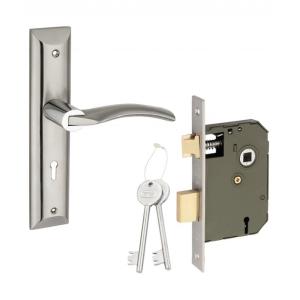
For stores, offices and buildings, key control matters as much as the lock itself. When an employee leaves, a manager loses a key or a lease changes hands, rekeying the affected locks is fast and keeps the existing hardware. If you have many doors and many staff, a master key system lets each person open only the doors they need while a manager key opens everything.
Signs your business locks need replacing
- Locks that only work if the door is pushed or lifted
- Cylinders that spin or feel loose
- Damage after a break-in attempt
- Residential grade locks on commercial doors
See our commercial locksmith services.
How a rekey works, step by step
Customers are often surprised how quick and tidy a rekey is. Here is what happens when one of our technicians rekeys a typical Toronto front door deadbolt.
- Remove the cylinder. The deadbolt or knob is opened from the inside and the cylinder is taken out. The lock stays on the door.
- Remove the old pins. The plug is pushed out with a follower so the springs and top pins stay in place, and the old bottom pins are removed.
- Set new pins. A new key is cut and new pins are matched to it, so the cylinder only turns with the new key.
- Test and reinstall. The cylinder goes back in, and the lock is tested several times from both sides with the new key. Old keys no longer turn it.
When several locks are rekeyed at once, they are usually set to the same new key so one key opens every exterior door.
Types of locks we rekey and replace
Deadbolts
The main security lock on most Toronto front and back doors. Single cylinder deadbolts have a key outside and a thumbturn inside. We rekey or replace them, and upgrade to higher grade deadbolts on request.
Knob and lever locks
Common on side doors, garage entry doors and interior doors. These are often paired with a deadbolt and can be keyed alike with it.
Handle sets and multi-point locks
Many newer homes and patio doors use handle sets or multi-point locking systems. Some cylinders can be rekeyed; others are replaced as a unit.
Commercial cylinders
Mortise cylinders, rim cylinders and interchangeable core cylinders on stores and offices. These are the backbone of master key systems.
Smart and keypad locks
Electronic locks still have a backup key cylinder in most cases. We rekey the backup cylinder and help reset codes, or install a new smart lock in place of a standard deadbolt.
Common mistakes to avoid
- Rekeying only the front door. Back, side and garage entry doors need the same treatment.
- Keeping a damaged lock. A rekey does not fix a lock that sticks or was forced. Replace it.
- Buying the cheapest lock. Low cost locks are easier to defeat and wear out faster. A mid grade or better deadbolt is worth it on exterior doors.
- Ignoring the strike. A strong deadbolt in a weak strike with short screws can still be kicked in. Reinforce the strike at the same time.
After a break-in: rekey is not enough
If someone forced a door, the lock, strike and frame may all be damaged even if the door still closes. A rekey only changes the key. After a break-in we inspect the whole door, replace damaged locks, reinforce the strike and frame, and upgrade to a stronger deadbolt where it makes sense. If you cannot secure the home or store tonight, call our emergency locksmith in Toronto line.
Upgrades worth considering
- Grade 1 or Grade 2 deadbolts on exterior doors
- Longer strike plate screws that reach the wall framing
- High security cylinders that resist picking and bumping
- Smart locks with access codes you can change any time
Industry grading for door hardware is set by the Builders Hardware Manufacturers Association; their BHMA standards explain what each grade means.

Lost your keys or locked out?
If you are locked out right now, the first step is getting in safely without damaging the door. Our technicians open most residential and commercial doors without drilling. Once you are in, if the keys are lost rather than misplaced at home, rekeying is the sensible next step so whoever finds them cannot use them. See emergency door unlocking and 24 hour locksmith.
Rekey and lock change FAQ
Is rekeying as secure as new locks?
It is equally effective at stopping old keys. It does not make the lock itself stronger. If the lock is low quality or worn, a new lock is the more secure choice.
Can all locks be rekeyed?
Most pin tumbler locks can. Some very cheap locks, damaged locks and certain high security or electronic locks are better replaced.
Can you make all my locks work with one key?
Yes, if the locks share a compatible keyway. This is called keying alike, and we do it during a rekey or when installing new locks.
How long does it take?
A typical home with a few exterior locks is usually done in one short visit. Businesses with many doors or a master key system take longer and are scheduled around your hours.
Do landlords have to change locks between tenants in Ontario?
Rules on lock changes during a tenancy are set by Ontario’s Residential Tenancies Act. Between tenants, rekeying is the standard best practice so former tenants cannot get in. For specific legal questions, check with the Landlord and Tenant Board.
Do you work on car and safe locks too?
Yes. See automotive locksmith, car door unlocking and safe unlocking.
Lock change and rekey service areas
We rekey and change locks across Toronto and the GTA: Toronto, North York, Scarborough, Etobicoke, Vaughan, Richmond Hill, Mississauga and Brampton. Local locksmith pages: Toronto locksmith, Markham, Thornhill, Vaughan, Scarborough, North York and Mississauga.
All services: locksmith services, residential locksmith, lock repair and emergency locksmith.
Book a rekey or lock change in Toronto
24/7 locksmith service across Toronto, Vaughan, Richmond Hill, Mississauga, Brampton and the GTA.